

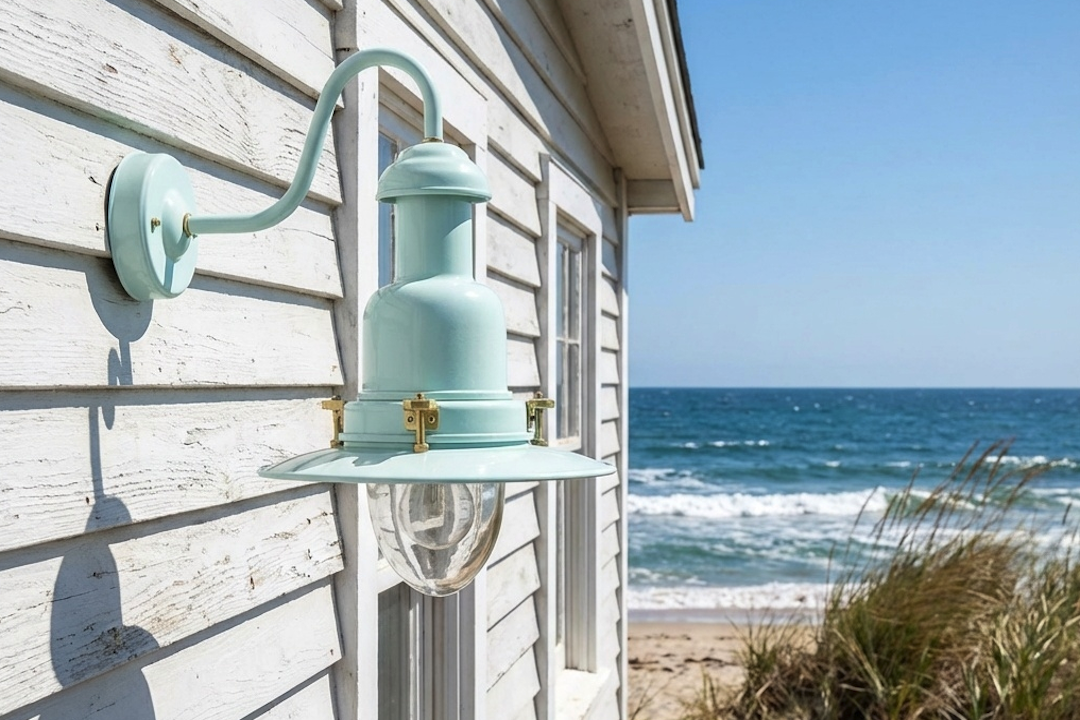
When you’re building or sprucing up a coastal home, you want everything to look good and last. That includes your outdoor wall lamps. The sea air is beautiful, but it’s also tough on materials. So, what makes outdoor wall lamps truly durable for a coastal environment?
It boils down to smart material choices and thoughtful design. You need something that can handle salty air, moisture, wind, and sun exposure without falling apart or looking neglected. We’re talking about fixtures that are built to stand up to the elements, season after season, while still adding that essential touch of light Lumesdesign and style to your home’s exterior.
Understanding Coastal Challenges for Outdoor Lighting
Coastal environments aren’t exactly spa days for light fixtures. The salt in the air is probably the biggest culprit. It accelerates corrosion, especially on metal components. Think of it like rust, but salt-driven. This can quickly degrade finishes and even structural integrity if the wrong materials are used.
Then there’s the humidity. Constant exposure to moist air can lead to mold, mildew, and further corrosion. Rain, wind, and even strong sunlight (UV rays) can also play a role in breaking down materials and finishes over time. So, when you’re choosing lights for your coastal home, you’re not just picking something pretty; you’re picking something resilient.
Key Materials for Coastal Durability
This is where we get down to brass tacks. Not all metals are created equal, especially when facing the sea.
Stainless Steel: The Champion of Corrosion Resistance
When people talk about durable materials for coastal zones, stainless steel often comes to mind first. And for good reason.
The Power of Alloys
Not all stainless steel is the same, though. For coastal applications, you’ll want to look for specific grades.
- 316 Stainless Steel: This is the gold standard. It contains molybdenum, which significantly increases its resistance to corrosion, especially from chlorides – the stuff found in salt. It’s a bit more expensive, but the longevity it offers in a coastal setting is well worth the investment.
- 304 Stainless Steel: While still good, it’s less resistant to pitting and crevice corrosion in highly saline environments compared to 316. It can work in slightly less aggressive coastal spots, but 316 is generally the safer bet for direct sea-facing locations.
Finish Matters
Even with stainless steel, the finish can impact its performance.
- Brushed or Satin Finishes: These are often preferred because they tend to hide minor imperfections and fingerprints better than polished finishes. They also offer a slightly textured surface that can feel more grounded for a home.
- Avoid Plated Finishes: Stick to solid stainless steel rather than anything plated, as the plating can chip or wear away, exposing the less resistant metal underneath to the corrosive elements.
Bronze: A Classic Choice with a Natural Patina
Bronze has been used for outdoor fixtures for centuries, and its durability makes it a fantastic choice for coastal homes.
The Beauty of Patina
Bronze isn’t just durable; it ages gracefully.
- Naturally Corrosion-Resistant: Traditional bronze alloys are inherently resistant to corrosion. Instead of rusting like iron, they develop a protective layer called a patina.
- The Green Patina: This is the iconic verdigris that many people associate with aged bronze. It’s actually a natural chemical reaction that protects the underlying metal. It looks great and means the fixture is actually getting stronger with age in a coastal climate.
- Marine-Grade Bronze: Look for fixtures specifically made from marine-grade bronze, which is formulated for the harshest conditions.
Maintenance of Bronze
While it’s durable, a little care goes a long way.
- Little to No Maintenance: For many, the appeal is that bronze requires very little maintenance. You can let it age naturally.
- Optional Waxing: If you prefer to maintain its initial color or speed up the patina process, you can apply a wax specifically designed for bronze.
Aluminum: Lightweight and Resilient
Aluminum is another excellent option, especially if weight is a concern or you’re looking for a wider range of styles.
Types of Aluminum
Not all aluminum is created equal.
- Cast Aluminum: This is a very common and durable choice for outdoor lighting. It’s strong, lightweight, and doesn’t rust.
- Extruded Aluminum: This is formed by pushing aluminum through a die. It’s also very durable and can be used for sleeker, more modern designs.
The Importance of Powder Coating
Aluminum’s true resilience in a coastal environment relies heavily on its coating.
- Protective Layer: Aluminum itself is somewhat corrosion-resistant due to a natural oxide layer. However, for coastal use, a robust coating is essential to prevent salt damage.
- High-Quality Powder Coating: Look for fixtures with a high-quality, multi-stage powder coating. This creates a thick, durable, and attractive finish that acts as a barrier against salt and moisture. Ask about the powder coating process – it should be applied electrostatically and then cured under heat.
- UV Resistance: Ensure the powder coating is also UV resistant, as consistent sun exposure can fade or degrade other types of coatings.
Copper: A Rich and Ever-Changing Option
Copper can be a striking choice for coastal homes, offering a unique aesthetic that evolves over time.
The Charm of Copper
Copper’s natural properties make it suitable for the coast.
- Naturally Corrosion-Resistant: Like bronze, copper develops a patina when exposed to the elements. This patina, often a rich brown or reddish-brown before turning green, is a protective layer that prevents further corrosion.
- Heirloom Quality: Copper fixtures can last for generations, becoming beautiful, aged pieces that add character to your home.
Considerations for Copper
While durable, there are some points to note.
- Initial Appearance: New copper will be bright and shiny (or have a specific pre-weathered finish). It will take time to develop its characteristic patina.
- Environmental Impact: The patina development is a natural process and is affected by the specific atmospheric conditions.
- Cost: Copper can be more expensive than aluminum or even some stainless steel options.
Design Features for Coastal Durability
Beyond the material itself, the way a light fixture is designed plays a massive role in its ability to withstand the coastal environment.
Sealing and Enclosure Integrity
This is crucial for preventing moisture and salt from getting inside the fixture.
Protecting the Internals
Think about what’s inside the lamp.
- Weatherproof Seals: Look for fixtures with high-quality rubber or silicone gaskets where the glass or diffuser meets the housing. These seals prevent water from seeping in.
- IP Ratings: While not always explicitly stated for residential fixtures, understanding Ingress Protection (IP) ratings can be helpful. An IP rating indicates the level of protection against solids (like dust) and liquids. For outdoor coastal lighting, you want something that suggests good protection against water. Often, manufacturers will simply state “weatherproof” or “damp location” or “wet location” rated. For coastal, “wet location” is generally the target.
Durable Diffusers
The part that covers the bulb also needs to be tough.
- Tempered Glass: Opt for fixtures with tempered glass diffusers. This type of glass is much stronger and more resistant to impact than regular glass. It’s less likely to shatter from windblown debris or hail.
- Polycarbonate: High-quality polycarbonate can also be a good option. It’s incredibly impact-resistant, though it can be more prone to scratching over time than tempered glass. Look for UV-stabilized polycarbonate to prevent yellowing or embrittlement from the sun.
Drainage Considerations
Even the best seals can sometimes be overwhelmed, or water can get in through other means. Proper drainage is key.
Allowing Water to Escape
You don’t want water sitting in your light fixture.
- Drainage Holes: Many well-designed outdoor fixtures have small, discreet drainage holes at the bottom. These allow any moisture that might get in to escape, preventing waterlogging and potential freezing damage in colder months.
- Angled Designs: Fixtures designed with a slight downward angle can help water run off more effectively rather than pooling.
Secure Mounting and Fastenings
A light fixture that’s not securely attached is a hazard, especially in windy coastal areas.
Staying Put
The hardware matters.
- Stainless Steel or Solid Brass Hardware: Ensure that any screws, bolts, or mounting hardware are also made of corrosion-resistant materials like 316 stainless steel or solid brass. Zinc-plated hardware will corrode quickly.
- Robust Mounting Plates: The base that attaches to your wall needs to be sturdy. A well-designed mounting plate distributes the weight and strain.
Lighting Styles and Aesthetics for Coastal Homes
While durability is paramount, you still want your outdoor lights to complement the style of your coastal home. Fortunately, there are plenty of options that blend form and function.
Traditional and Nautical Influences
Many coastal homes embrace a classic or nautical theme, and the lighting can tie into this perfectly.
Classic Shapes
Think about designs that have stood the test of time.
- Lantern Styles: Reproductions of old ship lanterns or carriage lanterns are popular. Look for those made from the durable materials we’ve discussed, often in bronze or dark-finished aluminum.
- Gooseneck Fixtures: These curved, downward-facing lights have a classic aesthetic that works well on exposed walls or above entryways. They often evoke a functional, workshop-like appeal.
Material as a Design Element
Sometimes, the material itself is the main aesthetic.
- Raw or Patinated Bronze: The natural color and evolving patina of bronze can be a key design feature, offering an authentic, aged look.
- Brushed Nickel or Stainless Steel: For a cleaner, more modern coastal look, brushed nickel or stainless steel can be excellent choices, offering a subtle shine without being overly reflective.
Modern and Minimalist Coastal Looks
Coastal styles aren’t limited to traditional themes. Many modern homes embrace clean lines and minimalist aesthetics.
Sleek and Simple Designs
Form follows function, but it can still be beautiful.
- Cube or Rectangular Fixtures: Simple geometric shapes in materials like dark-finished cast aluminum or brushed stainless steel can offer a sophisticated modern look.
- Integrated LED Fixtures: These often have very slim profiles and clean lines, blending seamlessly into the architecture. Ensure the LED components are also protected for marine environments.
Subtle Illumination
Sometimes, less is more.
- Downlights: Wall-mounted downlights provide focused illumination without glare, highlighting architectural features or pathways.
- Low-Profile Sconces: Minimalist sconces that hug the wall offer practical lighting without dominating the facade.
Practical Considerations When Buying
It’s easy to get caught up in materials and styles, but a few practical checks can save you headaches down the line.
Certifications and Warranties
These are indicators of quality and manufacturer confidence.
Looking for Assurance
What do the labels tell you?
- ETL or UL Listed: These are independent safety certifications. While not directly about durability, a fixture that meets these standards has passed rigorous testing, and the manufacturer is unlikely to cut corners on materials and construction for a coastal application if they are seeking these certifications.
- Manufacturer Warranty: A good warranty, especially one that specifically mentions outdoor or coastal use, is a strong indicator of the product’s expected lifespan. Read the fine print to understand what is covered.
Ease of Installation and Maintenance
You or your electrician will be fitting these lights.
Getting Them Up
Think about the process.
- Clear Instructions: Look for brands that provide clear, detailed installation instructions. This is especially important if you plan to do it yourself.
- Standard Mounting: Most fixtures use standard junction boxes, but it’s always good to double-check.
Keeping Them Shining
Long-term care.
- Easy Bulb Replacement: Consider how easy it will be to change a bulb. Some fixtures require significant disassembly, while others are designed for quick access.
- Cleaning: Even durable fixtures will need occasional cleaning. Fixtures with smooth surfaces and easily accessible areas for wiping down will be much easier to maintain.
Bulb Type and Efficiency
The light source itself matters.
Choosing the Right Bulb
Beyond just light output.
- LED is King: For coastal areas, LED bulbs are highly recommended. They are energy-efficient, long-lasting, and produce less heat than incandescent bulbs, which can reduce stress on the fixture’s seals and internal components.
- Color Temperature: Choose a color temperature (measured in Kelvin) that suits your preference – typically 2700K to 3000K for a warm, inviting light. There’s a growing trend towards lower Kelvin numbers (like 2200K) for very warm, amber tones that are also less intrusive to wildlife.
- Dusk-to-Dawn Sensors/Timers: Consider integrated dusk-to-dawn sensors or timers. These add convenience and can conserve energy by ensuring lights are only on when needed, reducing overall stress and exposure time.
By focusing on these materials, design features, and practical considerations, you can select outdoor wall lamps that will not only illuminate your coastal home beautifully but also stand the test of time against the challenging, yet picturesque, marine environment.