

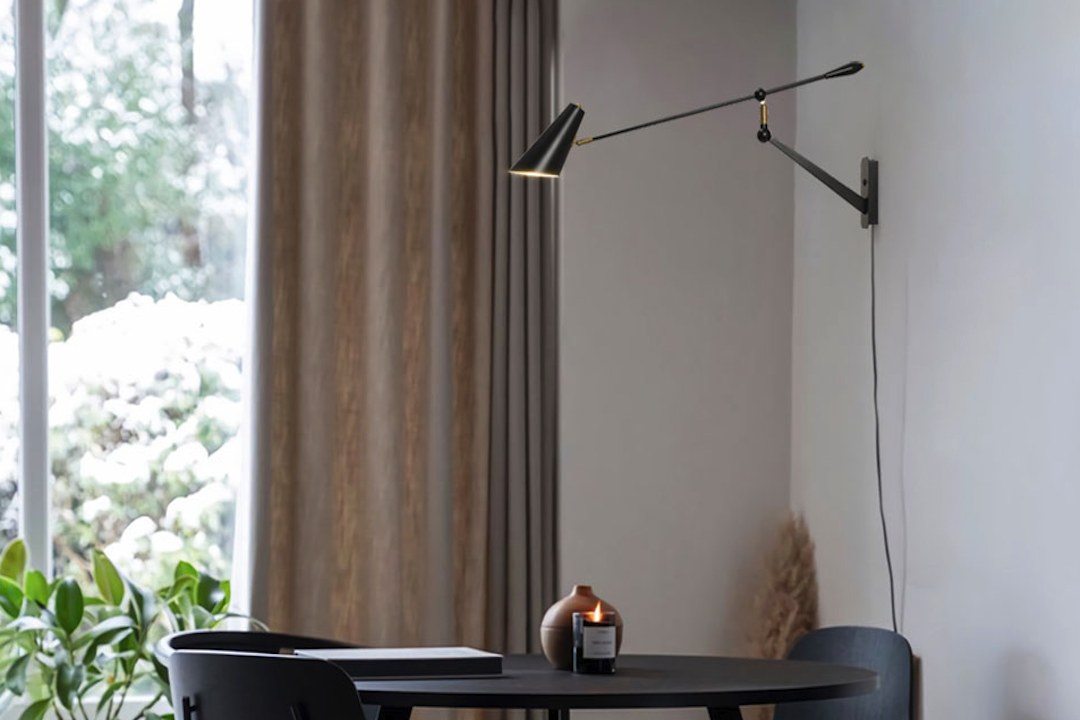
Adjustable swing arm wall lamps offer a practical and versatile lighting solution for home libraries. Their design allows for targeted illumination, accommodating various reading postures and furniture arrangements. This type of fixture can significantly impact the functionality and ambiance of a dedicated reading space, transforming it from a passive collection of books into an active hub for learning and relaxation.
Swing arm wall lamps are distinguished by their articulating arm mechanism. This allows the light Hotedecor source to be extended, retracted, and angled with precision. This adjustability is a core feature that separates them from static lighting fixtures.
Precision Lighting for Reading
The primary benefit of a swing arm lamp in a library is its ability to deliver focused light directly onto a book or reading material. Unlike overhead lighting, which can create shadows and glare, a well-positioned swing arm lamp can cast an even pool of light without straining the eyes. This is particularly important for extended reading sessions. The arm acts as an extension of your own focus, directing light precisely where needed.
Minimizing Eye Strain
Prolonged exposure to inadequate or poorly directed light can lead to eye fatigue, headaches, and reduced reading comprehension. Adjustable swing arm lamps allow readers to customize the light intensity and direction to match their specific needs and the ambient conditions. This direct control over illumination is a significant factor in promoting visual comfort.
Accommodating Different Reading Positions
Whether you prefer to read in an armchair, a sofa, or at a desk, the swing arm lamp can adapt. Its flexible arm permits adjustments to reach your reading material regardless of your posture, ensuring consistent and adequate lighting without requiring you to constantly reposition yourself or the light source.
Space-Saving Design
In libraries, especially those with limited square footage, optimizing space is crucial. Swing arm wall lamps mount directly to the wall, freeing up valuable surface area that might otherwise be occupied by a table lamp. This makes them an ideal choice for smaller rooms or for maximizing the usable space in a larger library.
Eliminating Clutter
Table lamps, while decorative, often require a dedicated surface and can contribute to a cluttered appearance. By mounting to the wall, swing arm lamps create a cleaner, more organized aesthetic. This can make a room feel larger and more serene, a desirable quality in a space intended for concentration.
Versatility in Placement
The wall-mounted nature of these lamps also provides flexibility in placement. They can be positioned above a reading chair, beside a bookshelf for accent lighting, or even over a desk for task lighting during research. This adaptability allows for a more tailored and functional library setup.
Aesthetic Integration
Beyond their practical benefits, swing arm lamps can also contribute to the overall design of a home library. They are available in a wide range of styles, materials, and finishes, allowing them to complement various décor schemes.
Modern and Contemporary Options
Many swing arm lamps feature sleek lines, minimalist designs, and metallic finishes, making them well-suited for modern and contemporary library interiors. They can add a touch of sophistication without overpowering the existing décor.
Traditional and Industrial Styles
For libraries with a more traditional or industrial aesthetic, swing arm lamps can be found in materials like brushed brass, dark bronze, or wrought iron. These designs often incorporate elements like articulated joints and flared shades, lending a classic or utilitarian feel.
Adjustable Shades and Bulbs
The adjustability extends to the lampshade and, in some cases, the bulb angle. This allows for further fine-tuning of light diffusion and direction, ensuring that the light is not only functional but also aesthetically pleasing, creating the desired mood or atmosphere.
Factors to Consider When Selecting a Swing Arm Wall Lamp
The selection of a swing arm wall lamp should involve a careful assessment of several key features to ensure it meets the needs of the home library.
Material and Finish
The materials used in the construction of the lamp will influence its durability, appearance, and compatibility with the room’s décor. Common materials include metal (such as steel, brass, aluminum) and sometimes wood or plastic components.
Durability and Longevity
Metal construction typically offers greater durability and a longer lifespan. Finishes like brushed nickel, matte black, or polished chrome can withstand regular use and maintain their appearance over time.
Aesthetic Harmony
The chosen finish should complement the existing color palette and materials in the library. A brushed brass lamp might suit a room with warm wood tones, while a matte black lamp could work well in a more minimalist setting.
Arm Length and Reach
The length of the swing arm is a critical functional consideration. It determines how far the light can be extended from the wall, influencing its suitability for different seating arrangements and room sizes.
Measuring Your Space
Before purchasing, measure the distance from where the lamp will be mounted to your primary reading area. Ensure the arm’s maximum reach comfortably covers this distance. Consider the types of furniture you have and how you typically position yourself when reading. A longer arm offers greater flexibility in larger spaces or for those who move around while reading.
Articulating Joints
The quality and number of articulating joints also affect the lamp’s flexibility. Lamps with multiple joints offer a wider range of motion and finer control over light direction, acting like a conductor’s baton, guiding light precisely.
Light Source and Brightness (Lumens)
The type of light bulb and its brightness are crucial for effective reading illumination.
LED Technology
LED bulbs are a popular choice due to their energy efficiency, long lifespan, and various color temperature options. They generate less heat, which is beneficial for reading lamps.
Color Temperature (Kelvin)
The color temperature of the light (measured in Kelvin) affects the mood and perceived warmth. Warmer tones (around 2700K-3000K) are generally preferred for relaxation and reading, while cooler tones (above 4000K) can be more stimulating but may feel less inviting in a library setting.
Brightness (Lumens)
Lumens measure the total amount of visible light emitted by a source. For reading, a brightness of 400-800 lumens is often recommended for a focused area, but this can be adjusted based on personal preference and the overall lighting of the room.
Control Mechanism
The way the lamp is switched on and off and how its brightness is adjusted are important usability features.
Rocker Switches and Rotary Dimmers
Many swing arm lamps feature simple rocker switches for on/off functionality, while others offer rotary dimmers for adjustable brightness. Dimmers provide an additional layer of control, allowing users to set the mood or intensity as needed.
Integrated Smart Features
Some contemporary models may include smart technology, allowing for control via a smartphone app or voice commands, offering a modern approach to illumination.
Installation and Mounting Considerations
Proper installation of a swing arm wall lamp is essential for safety and functionality. While many are designed for straightforward DIY installation, understanding the process is beneficial.
Locating Wall Studs
For secure mounting, it is crucial to locate wall studs. These provide the structural support necessary to hold the weight of the lamp and withstand the forces exerted on the swing arm.
Stud Finder Tools
A stud finder is a common tool used to locate these hidden structural elements. Proper placement on a stud prevents the lamp from becoming loose or falling.
Toggle Bolts for Drywall
If mounting on drywall where studs are not accessible, appropriate toggle bolts or heavy-duty drywall anchors should be used. These distribute the weight over a larger area of the drywall.
Wiring and Power Source
Swing arm lamps are typically hardwired or plug into an outlet. The chosen method depends on the lamp design and desired aesthetic.
Hardwired Installation
Hardwiring the lamp directly into the wall’s electrical system offers a clean, seamless look, as no cords are visible. This often requires basic electrical knowledge and adherence to local building codes.
Plug-in Options
Many swing arm lamps come with a power cord that plugs into a standard wall outlet. This is a simpler installation option and allows for greater flexibility in placement, though the cord may require careful management to maintain a tidy appearance.
Positioning for Optimal Illumination
The precise placement of the lamp on the wall directly impacts its effectiveness.
Height and Angle
Consider the typical height of your reading chair or sofa. The lamp should be positioned so that when extended, it illuminates the reading material at a comfortable height, avoiding direct glare into the eyes. The angle of the arm and shade allows for further refinement.
Proximity to Bookshelves
If the lamp is intended to also illuminate bookshelves, consider its reach and angle to highlight spines or specific sections without creating harsh shadows.
Enhancing Ambiance and Functionality
Beyond basic illumination, adjustable swing arm wall lamps can be used strategically to enhance the overall atmosphere and utility of a home library.
Creating Reading Nooks
A well-placed swing arm lamp can transform a corner of a room or a less-used space into an inviting reading nook. The focused light draws attention to the area, making it feel more intimate and purposeful.
Accent Lighting for Bookshelves
By angling a swing arm lamp towards a bookshelf, you can highlight the spines of books, adding visual interest and making it easier to locate specific titles. This can also contribute to a layered lighting scheme within the library.
Task Lighting for Desks and Workspaces
If your library includes a desk for research or writing, a swing arm lamp provides excellent task lighting. Its adjustability ensures that the light is focused on your work area, reducing glare and improving visibility.
Layered Lighting Schemes
Swing arm lamps are an excellent component of a layered lighting strategy. They work in conjunction with ambient (overhead) and accent (decorative) lighting to create a well-lit and visually appealing space.
Balancing Light Levels
By combining the focused light of a swing arm lamp with softer ambient lighting, you can create a balanced environment that is both functional for reading and comfortable for general use. This prevents the library from feeling stark or overly dim.
Mood Setting
The dimmable capabilities of some swing arm lamps, or the ability to subtly adjust their angle, allow for the creation of different moods. A softly lit corner can be perfect for quiet contemplation, while brighter illumination is ideal for detailed work.
Combining with Other Decorative Elements
Swing arm lamps can be integrated with other decorative elements to create a cohesive look.
Complementary Furniture
The style of the lamp can be chosen to complement the existing furniture, such as a leather armchair or a wooden desk. The lamp becomes a functional piece of art that enhances these elements.
Artwork and Decor
A strategically placed swing arm lamp can also draw attention to artwork or other decorative items within the library, adding another dimension to the space. The light acts as a spotlight, guiding the viewer’s eye.
Maintenance and Longevity of Swing Arm Wall Lamps
To ensure the continued functionality and aesthetic appeal of a swing arm wall lamp, regular maintenance is recommended.
Cleaning and Dusting
Dust can accumulate on the lamp’s surfaces, affecting its appearance and potentially the quality of light emitted.
Regular Wiping
Wipe down the lamp’s arm, shade, and mounting bracket with a soft, dry cloth. For more stubborn dust or grime, a slightly damp cloth can be used, followed by a dry cloth. Avoid abrasive cleaners or harsh chemicals that could damage the finish.
Shade Material Considerations
If the lampshade is made of fabric or a different material, consult the manufacturer’s recommendations for cleaning. Some shades may require specific cleaning agents or methods.
Checking and Tightening Joints
The articulating joints of the swing arm can loosen over time with repeated use.
Periodic Inspection
Periodically inspect the joints for any looseness or wobbling. Gently tighten any screws or bolts as needed. Be careful not to overtighten, as this can damage the threads or the lamp components.
Lubrication (If Applicable)
Some older or higher-end models may benefit from occasional lubrication of the joints to ensure smooth movement. Consult the manufacturer’s instructions for specific recommendations on the type of lubricant to use.
Bulb Replacement
When a bulb eventually burns out, replacement is straightforward.
Using Appropriate Bulbs
Always use the type and wattage of bulbs recommended by the manufacturer to avoid damage to the lamp’s wiring or overheating. For LED bulbs, consider the lumen output and color temperature for optimal reading light.
Ensuring Proper Seating
Ensure the new bulb is screwed in firmly but not excessively tightened. A loose bulb can cause flickering or prevent the light from working altogether.
By considering these factors, homeowners can select, install, and maintain adjustable swing arm wall lamps to create a more functional, comfortable, and visually appealing home library, proving that light can be not just a necessity but a tool for transformation. The lamp, after all, becomes a silent partner in your intellectual pursuits, always ready to shed light on your next great discovery.