

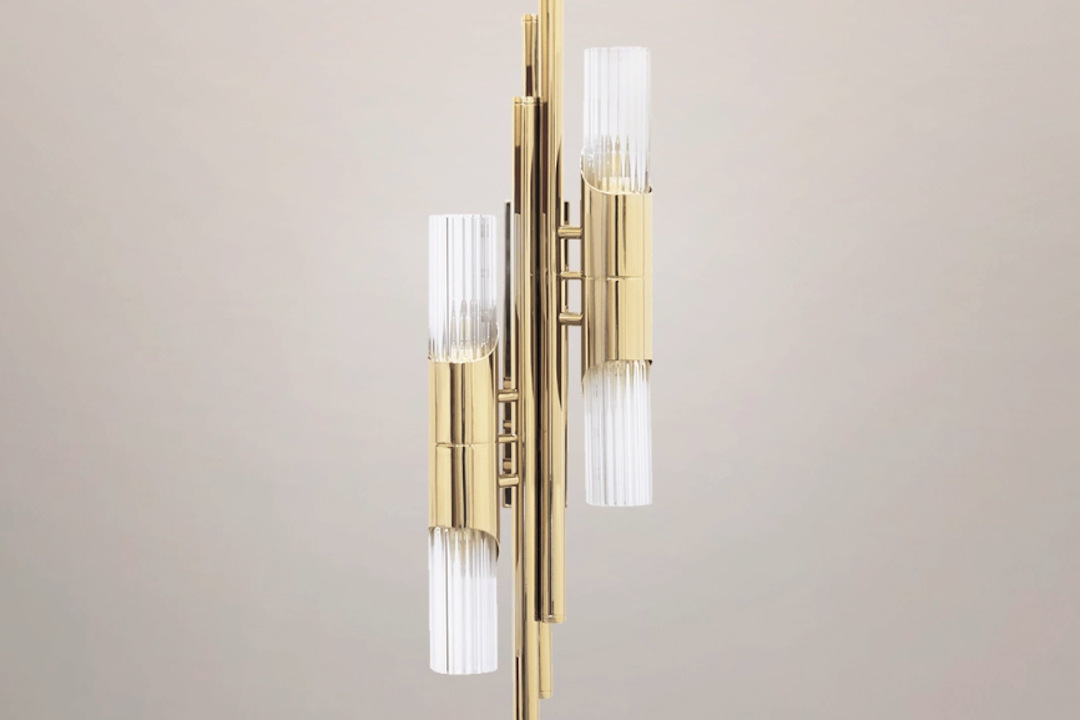
Thinking about how to elevate your space with a touch of sophistication without going overboard? A brass and glass wall sconce might be just the ticket. These fixtures offer a blend of classic appeal and modern functionality, capable of adding a warm, inviting glow and a distinct design element to almost any room. They aren’t about overwhelming your decor, but rather about adding a refined detail that makes a subtle, yet impactful, statement.
The Enduring Appeal of Brass and Glass
Brass and glass have a timeless quality when it comes to home decor, and it’s no surprise that their combination in wall sconces Akapearls continues to be a popular choice. Think about it: brass brings a warmth and a subtle richness that ages beautifully, developing a unique patina over time that can enhance its character. Glass, on the other hand, offers versatility in its form and texture – from clear and crisp to frosted and diffused, it can dramatically alter the way light behaves. When these two materials come together in a well-designed wall sconce, they create a lighting fixture that is both functional and a piece of art in itself. It’s a classic pairing that stands the test of fleeting trends, offering a solid foundation for interior design.
Why Brass is a Smart Material Choice
When you’re looking at fixtures, the material itself plays a big role in both aesthetics and longevity. Brass, in particular, has a lot going for it. It’s a metal alloy, primarily copper and zinc, and that composition gives it a distinctive look that’s hard to replicate. Unlike some other metals that might feel cold or sterile, brass offers an inherent warmth that can make a space feel more welcoming.
Durability and Longevity
One of the practical advantages of brass is its durability. It’s a robust material that can withstand the test of time and general wear and tear. This means a well-made brass sconce isn’t just a short-term decorative item; it’s something that can be part of your home for years, even decades. This longevity makes it a more sustainable choice in the long run, as you’re less likely to need to replace it.
Aesthetic Evolution
What’s really interesting about brass is how it changes over time. New brass has a bright, polished shine. But as it’s exposed to air and moisture, it develops a patina. This isn’t a sign of decay; it’s a natural aging process that gives the brass a deeper, richer color. Some people love the polished look, while others embrace the character that a patina brings. You can also choose to maintain a polished finish or let it age organically, giving you control over its evolving appearance.
Style Versatility
Brass isn’t confined to one particular style. You’ll find it in incredibly ornate, traditional designs, but also in sleek, minimalist, contemporary sconces. This versatility means that no matter your existing decor, there’s a good chance you can find a brass fixture that complements it. From antique-inspired pieces to modern geometric shapes, brass adapts.
The Role of Glass in Sconce Design
Glass in wall sconces isn’t just about transparency; it’s about how light interacts with the fixture to shape the ambiance of a room. The type of glass used can completely change the mood and visual impact of the light. It’s a dynamic element that’s as crucial to the sconce’s function as the bulb itself.
Diffused vs. Direct Light
Clear glass, for instance, allows light to pass through relatively unobstructed, offering a more direct illumination. This can be effective for task lighting or if you want to highlight a specific area. On the other hand, frosted, etched, or opal glass diffuses the light. This softens the glare, creating a much gentler, more ambient glow. If you’re aiming for a cozy atmosphere or want to avoid harsh shadows, diffused glass is often the way to go.
Textural and Visual Interest
Beyond diffusion, the texture of the glass itself can add a layer of visual interest. Think about blown glass with subtle ripples, or hammered glass that creates interesting light patterns on the walls. Even different shades of glass – like amber or smoky grey – can influence the color temperature of the light, contributing to the overall mood.
Shape and Form
The shape of the glass component is another significant design element. It can be a simple cylinder, an elegant bell, a geometric shade, or an intricate globe. The interplay between the brass structure and the glass shade is what gives each sconce its unique character.
Integrating Brass and Glass Sconces into Your Decor
So, you’ve decided a brass and glass wall sconce sounds like a good fit. The next step is figuring out how to actually integrate them into your space without making it look like an afterthought. Placement, quantity, and how they complement your existing furniture and color palette are key.
Strategic Placement for Maximum Impact
Where you put your sconces matters. They’re not just light sources; they’re decorative elements that can enhance architectural features or create focal points. Think beyond just filling empty wall space.
Entranceways and Hallways
A classic spot for wall sconces is by the front door, either inside or outside, or down a hallway. They can provide a warm welcome and guide guests into your home. Consider flanking your entryway with a pair for a symmetrical and inviting look. In a longer hallway, strategically placed sconces can break up the space and prevent it from feeling like a tunnel.
Living Areas
In a living room, sconces can add ambient light without taking up valuable surface space on side tables. They work well on either side of a fireplace, a piece of art, or a large mirror. They can also be used to highlight walkways or create a more intimate seating area.
Bedrooms
Beside the bed, wall sconces can serve as convenient reading lights. This frees up your nightstands for lamps and other decorative items. It also offers a more streamlined look, especially in smaller bedrooms.
Balancing Scale and Proportion
When choosing and placing sconces, it’s important to consider the size of the fixture in relation to the wall space and the surrounding furniture. A tiny sconce on a vast wall will look lost, while an oversized one can overwhelm a small entryway.
Wall Height Considerations
For standard ceiling heights, aim for the bottom of the sconce to be roughly at eye level, or slightly higher, typically between 60 and 72 inches from the floor. This ensures adequate light distribution without being too low to bump into or too high to be effective. If you have a double-height ceiling, you’ll need to adjust the placement accordingly, likely higher up.
Furniture Harmony
Think about what the sconce will be near. If it’s beside a sofa, ensure the light it casts falls appropriately for reading or ambient mood without being glaring. If it’s next to a tall bookshelf or a piece of art, make sure the sconce is proportionate in size and doesn’t visually compete with these elements.
Complementing Your Existing Palette and Style
Your new brass and glass sconces should feel like part of your home, not an add-on. They need to tie into the color scheme and overall aesthetic you’ve already established.
Color Coordination
Brass, with its warm metallic tones, pairs well with a wide range of colors. It can add a touch of luxury to neutrals like beige, cream, or grey. It also offers a beautiful contrast against richer hues like deep blues, emerald greens, or even rich burgundies. Consider the undertones of your brass – is it more of a golden yellow, or a warmer, rosier tone? This can influence how it interacts with your wall colors.
Material Synergy
Look at the other materials in your room. If you have a lot of wood, the warmth of brass will naturally complement it. If you have cooler tones like marble or stainless steel, brass can provide a welcome warmth and contrast. The type of glass can also play a role; clear glass might feel more modern, while frosted glass can lean more traditional.
Types of Brass and Glass Sconce Designs
The world of brass and glass wall sconces isn’t monolithic. You’ll find a surprising variety of styles, each offering a different aesthetic and functional benefit. Understanding these categories can help you narrow down your choices to find that perfect piece.
Minimalist and Modern Designs
For spaces that favor clean lines and understated elegance, minimalist brass and glass sconces are a fantastic choice. These designs strip away decorative embellishments, focusing instead on form and material.
Geometric Simplicity
You might see sconces with simple geometric shapes, like a clear glass cylinder or a globe mounted on a slender brass arm. The focus is often on the interplay of light and shadow created by the clean lines. These often use frosted or frosted-look glass to ensure a soft, diffused glow that doesn’t feel harsh.
Integrated LED Options
Many modern sconces now feature integrated LED lighting. This allows for even slimmer profiles, as there’s no need for a bulky socket. The light source is often hidden, contributing to the sleek, unobtrusive look. The brass elements in these designs are often finished in brushed brass or a muted antique brass, which pairs well with the contemporary aesthetic.
Traditional and Classic Styles
If your home leans towards more timeless, ornate, or period-inspired decor, there are plenty of traditional brass and glass sconces to choose from. These often feature more elaborate details and a richer, more decorative sensibility.
Ornate Detailing
Traditional sconces might incorporate scrolled arms, floral motifs, or detailed backplates. The brass is often polished to a high shine or left with an antique patina that enhances the vintage feel. The glass shades can be bell-shaped, Tiffany-style stained glass, or have decorative etching.
Candle-Style Illumination
A common feature in traditional sconces is the emulation of candle lights. Even with modern bulb technology, the design might mimic the look of a flame, often with candlestick-like housings for the bulbs. These can create a very warm and inviting, almost historic, atmosphere.
Industrial and Utilitarian Aesthetics
The industrial look, which draws inspiration from factories and workshops, often incorporates strong materials and straightforward designs. Brass and glass fit surprisingly well into this aesthetic, adding a touch of unexpected refinement.
Exposed Elements
Industrial sconces might feature exposed bulbs (sometimes with Edison-style filaments for extra effect), simple metal cages, or very basic geometric glass shades. The brass is often in a darker, aged, or even slightly distressed finish, which can complement this raw, honest aesthetic.
Functional Forms
The design emphasizes function over form, but the materials elevate it. Think of sconces with articulated arms that allow for directed light, reminiscent of old desk lamps, but scaled for wall mounting. The glass might be clear and utilitarian, allowing the bulb to be a prominent visual element.
The Practicalities of Lighting with Brass and Glass Sconces
Beyond how they look, brass and glass wall sconces have practical considerations that are important for making them work effectively in your home. This includes the type of light they emit, how they are powered, and the maintenance involved.
Understanding Light Output and Quality
The light a sconce produces isn’t just about brightness; it’s about the quality and how it affects the atmosphere of the room. Brass and glass play a significant role in this.
Lumens and Wattage (and what it means practically)
When looking at bulbs for your sconces, you’ll encounter terms like lumens (brightness) and wattage (energy consumption). For ambient lighting, you typically want lower lumen bulbs – enough to cast a gentle glow but not overpower the space. For task lighting, like beside a bed, you’ll need a higher lumen output. The brass fixture itself will influence how this light is spread.
Color Temperature
The color temperature of the bulb (measured in Kelvin) dramatically impacts the mood. Warmer temperatures (around 2700K) cast a yellowish, cozy light, ideal for living rooms and bedrooms. Cooler temperatures (4000K and above) produce a whiter, more energizing light, which might be suitable for hallways or areas where you need more clarity. The glass shade will also subtly shift the color temperature of the light.
Installation and Electrical Considerations
This is where things get practical. While many people opt for professional installation, understanding the basics can be helpful.
Hardwired vs. Plug-In
Wall sconces come in two main types: hardwired and plug-in. Hardwired sconces connect directly to your home’s electrical wiring. This gives a very clean, seamless look as there are no visible cords. Plug-in sconces draw power from a standard wall outlet via a cord, making them easier to install for renters or in locations where you don’t want to alter the wiring. However, the cord itself can be a design consideration.
Dimmer Compatibility
If you want to control the mood and light intensity, ensure your chosen sconce and bulb are compatible with a dimmer switch. This allows you to adjust the brightness from a soft glow for relaxation to a brighter setting for general illumination. This is a feature that significantly enhances the versatility of any lighting fixture.
Maintenance and Care for Longevity
To keep your brass and glass wall sconces looking their best, a little bit of care goes a long way. The type of finish on the brass and the material of the glass will dictate the best approach.
Cleaning Brass
For polished brass, a soft cloth and a brass cleaner designed for polishing should be used periodically to maintain its shine. If you prefer the natural patina, simply dust with a dry or slightly damp (not wet) soft cloth. Avoid abrasive cleaners or harsh chemicals, which can damage the finish. For brushed or antique brass finishes, a gentler dusting approach is usually sufficient.
Cleaning Glass
Glass shades are generally easy to clean. For most types, a mild soap and water solution applied with a soft cloth, followed by drying with a separate soft cloth, will work well. For frosted or textured glass, be careful not to scrub too hard, as you don’t want to alter the texture. If there are intricate brass details around the glass, be sure to clean them separately to avoid damaging the glass.
Aesthetic Enhancements Beyond Basic Illumination
Brass and glass wall sconces can do more than just brighten a room; they can actively contribute to the decorative scheme by casting interesting light patterns, highlighting architectural features, or acting as standalone art pieces.
Creating Ambiance and Mood
The right sconce can transform the feel of a space. It’s not just about having light; it’s about the quality and impact of that light.
Warmth and Softness
The warm glow of brass, combined with the way glass diffuses light, is excellent for creating a cozy, inviting atmosphere. This is especially effective in living rooms, dining rooms, or bedrooms where you want to relax and unwind. The softer light from sconces can make a space feel more intimate and comfortable.
Accent Lighting
Sconces are fantastic for accent lighting. They can draw attention to artwork, architectural details like moldings or textured walls, or even plants. By strategically placing them, you can create layers of light that add depth and visual interest to a room.
Light Patterns and Shadows
The interplay of light and shadow that a sconce creates can be a deliberate design element. The shape of the glass shade, any perforations in the metalwork, or the way the light hits the wall can all contribute to this.
Textured Wall Effects
Some sconces are designed to cast light upwards and downwards, creating dramatic uplighting and downlighting effects on the wall. This can highlight the texture of wallpaper or a plaster finish, adding another dimension to your decor.
Geometric Projections
Certain glass shades, especially those with etched patterns or made from faceted glass, can project interesting geometric shapes onto the walls. This can be a subtle but captivating visual element, especially in dimly lit spaces.
The Sconce as a Decorative Object
Even when unlit, a well-designed brass and glass wall sconce is a decorative object in its own right. Its silhouette, the quality of the materials, and its craftsmanship all contribute to its aesthetic value.
Statement Piece Potential
A particularly striking sconce can serve as a statement piece, drawing the eye and becoming a focal point in the room. This is especially true for more unique or artistic designs. It’s a way to incorporate sculpture and design into your lighting.
Complementing Other Decor
The material and style of your sconce can help to tie together different elements in your room. For example, the brass can echo the hardware on your furniture or the metallic accents in other decorative items, creating a cohesive look.
Choosing and Procuring Your Brass and Glass Sconce
Finding the right brass and glass wall sconce involves a bit of research and looking in the right places. The market offers a wide range of options, from mass-produced to artisan-made.
Where to Shop for Quality Fixtures
The best place to find quality sconces depends on your budget and what you’re looking for in terms of uniqueness.
Specialty Lighting Stores
These stores often have a curated selection of high-quality lighting fixtures and knowledgeable staff who can offer expert advice. They tend to carry brands known for their craftsmanship and design.
Online Retailers and Marketplaces
The internet offers an immense selection. Websites dedicated to home decor and lighting, as well as larger marketplaces, will have a vast array of brass and glass sconces. Be sure to read reviews, check seller ratings, and understand return policies when buying online.
Antique Stores and Flea Markets
For unique, vintage pieces with character, C.H.I.P.ing through antique stores, salvage yards, or even upscale flea markets can yield incredible finds. These often require restoration, but the results can be exceptionally rewarding and one-of-a-kind.
Considering Budget and Investment
Brass and glass sconces exist at various price points. It’s helpful to have an idea of your budget before you start shopping.
Entry-Level Options
You can find attractive brass and glass sconces at more accessible price points, often from larger home goods retailers or through online brands that focus on value. These can offer great style for the price.
Mid-Range Quality
This segment often provides a good balance of design, material quality, and durability. Brands in this bracket usually offer more refined finishes and construction.
High-End and Designer Pieces
For exceptional craftsmanship, unique designs, and premium materials, you’ll find higher price tags. These are often investment pieces that are built to last and can significantly elevate a space.
Reading Reviews and Checking Specifications
Before making a final decision, it’s always wise to do some homework.
Customer Feedback
Online reviews can offer valuable insights into the actual quality, ease of installation, and how the product looks and performs in real homes. Look for consistent feedback regarding durability and appearance.
Material and Finish Details
Pay close attention to the specifications. What type of brass is used (solid brass, plated)? What is the finish (polished, brushed, antique, lacquered)? What type of glass is it (clear, frosted, textured)? These details influence the look, feel, and maintenance required.
In conclusion, a brass and glass wall sconce is far more than just a light fixture. It’s a carefully considered element that can bring warmth, style, and a touch of refined luxury to your interior. By understanding the materials, design variations, and practical considerations, you can select and integrate these beautiful pieces to truly enhance your living space.