

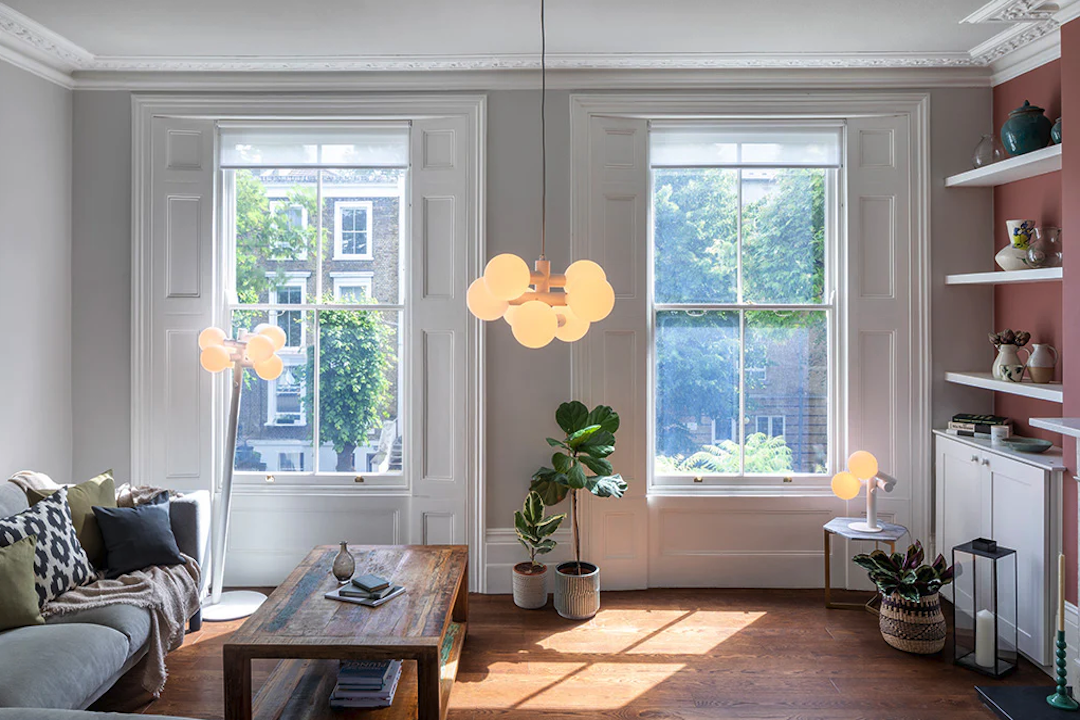
Want to make your home just feel right? You know, that cozy, inviting, yet totally put-together vibe? A big part of that comes down to lighting. And not just one big overhead light, but a thoughtful mix. So, how do you actually create a professional interior with layered lighting? It’s all about using different types of light for different purposes, at different levels, to create depth, enhance features, and make your space both functional and beautiful. Think of it like building a great outfit – you need a base, some interesting pieces, and then the right accessories to pull it all together.
The Foundation: Ambient Lighting for Overall Comfort
This is your everyday, go-to light. Ambient lighting Ninelighting sets the general mood and brightness of a room. It’s the light you turn on when you first walk in, the light that makes the space functional for basic activities. Without good ambient light, a room can feel dim and unwelcoming. The goal here isn’t to spotlight anything specific, but to provide a comfortable, even glow throughout the entire space.
Ceiling Fixtures: Your Primary Source
When most people think of ambient lighting, they think of ceiling lights. And that’s often where you’ll start.
Recessed Lighting (Downlights)
These are those little lights embedded in the ceiling. They’re great for providing a consistent wash of light across a room. The key is to space them correctly. Too few, and you’ll have dark spots. Too many, and it can feel like a sterile office. Think about the room’s layout and where you need the most general illumination. For living rooms or kitchens, aiming for even coverage is usually the priority. In hallways, they can prevent you from stubbing your toe.
Flush-Mount or Semi-Flush Mount Fixtures
These sit closer to the ceiling than a chandelier but still offer a diffused light. They’re a good option for rooms with lower ceilings where recessed lighting might feel too harsh or simply not be feasible. They can also add a decorative element while serving their primary function of general illumination. Look for designs that spread light upwards and outwards for a softer effect.
Chandeliers and Pendant Lights
While often thought of as decorative, a well-chosen chandelier or a series of pendant lights can also serve as excellent ambient lighting, especially in dining rooms, entryways, or kitchens with islands. The key is their placement and the type of shade. A frosted or opal glass shade will diffuse the light more effectively than a clear glass one, creating a softer, more inviting glow rather than harsh direct beams.
Wall-Mounted Options for Softer Distribution
Sometimes, relying solely on the ceiling can create a bit of a flat effect. Lighting from the sides can help break that up.
Sconces
Wall sconces are fantastic for adding ambient light without taking up floor or table space. They can be positioned to wash light upwards, downwards, or both, creating interesting visual patterns on the walls and contributing to the overall mood. In hallways or entryways, they can provide a warm welcome. In living rooms or bedrooms, they can supplement overhead lighting for a cozier feel.
The Importance of Dimmers
Whatever your primary ambient lighting source, equipping it with a dimmer switch is almost non-negotiable for creating a professional interior. Dimmers allow you to adjust the intensity of the light, taking it from bright and functional for tasks to dim and intimate for relaxing evenings. This simple addition dramatically increases the flexibility and mood-setting capabilities of your ambient lighting.
Task Lighting: Illuminating for Action
Once you have your general background light sorted, the next layer is task lighting. This is the light that’s specifically designed to help you perform specific activities – reading, cooking, working, grooming. It’s direct, functional light that prevents eye strain and makes life easier.
Kitchen Counters and Islands: Culinary Precision
The kitchen is a prime example of where task lighting is essential. You need to see what you’re doing when chopping vegetables or precisely measuring ingredients.
Under-Cabinet Lighting
This is a game-changer for kitchens. It illuminates your countertops directly, eliminating shadows cast by overhead cabinets. Whether you choose LED strips, puck lights, or linear fixtures, they provide excellent, focused light for food prep. They also add a sophisticated touch to the space, highlighting the backsplash nicely.
Pendant Lights Over Islands or Peninsulas
A series of pendant lights hung over a kitchen island or peninsula not only adds a decorative flair but also provides focused illumination for food prep, casual dining, or even serving as a workspace. The height of the pendants is crucial here – they should be low enough to cast light where needed but high enough not to obstruct views or get in the way.
Reading Nooks and Workstations: Focused Illumination
Whether it’s a dedicated home office or just a comfy armchair for your evening read, focused light is key.
Desk Lamps
A classic for a reason. A good desk lamp should be adjustable, allowing you to direct light precisely where you need it on your workspace or reading material. Look for options with a good color rendering index (CRI) so that colors appear true.
Floor Lamps with Adjustable Arms
For reading chairs, an arc floor lamp that can extend over the chair is incredibly useful. This allows you to position the light exactly where you want it without having to move the chair or table. Some floor lamps also have built-in shelves or side tables, adding practicality.
Integrated Lighting in Shelving
For bookcases or display shelves, consider shelves with integrated LED lighting. This illuminates your books and decorative items, making them easier to see and appreciate, and also adds a pleasant glow to the surrounding area.
Bathrooms: Grooming with Clarity
The bathroom requires a specific type of task lighting for grooming and makeup application.
Vanity Lighting
This is perhaps the most critical task lighting in a bathroom. Lights flanking the mirror at eye level provide even illumination for tasks like shaving or applying makeup, avoiding harsh shadows that can occur with a single light directly overhead. Sconces on either side are ideal. For a more modern look, LED strips incorporated into the mirror frame can also work well.
Accent Lighting: Highlighting the Stars of the Show
This is where you add personality and drama. Accent lighting is all about drawing attention to specific features – artwork, architectural details, plants, or collections. It’s the spotlight that makes things pop and adds visual interest to your room, preventing it from feeling like a flat stage.
Directing Light Strategically
Accent lighting uses focused beams of light to create visual emphasis.
Track Lighting
Track lighting systems offer a versatile way to direct light precisely where you want it. You can angle the individual fixtures to highlight paintings, sculptures, or even textured walls. Many modern track lighting systems are sleek and unobtrusive, blending well with various design styles.
Picture Lights
These are specifically designed to illuminate artwork. Mounted directly above a painting or photograph, they provide a focused, even light that makes the artwork stand out without creating glare. LED picture lights are energy-efficient and offer great color rendering.
Spotlights and Wall Washers
Small, directional spotlights can be used to highlight architectural features like columns, fireplaces, or built-in cabinetry. Wall washers, on the other hand, cast a broad, even wash of light down a wall, accentuating its texture or color.
Creating Depth and Dimension
The strategic use of accent lighting can make a room feel larger and more dynamic. By drawing the eye to different points of interest, you create a sense of depth and prevent the space from feeling monotonous.
Uplighting and Downlighting for Architectural Features
Uplighting from the floor can highlight the shape of a ceiling or the texture of a wall. Downlighting from above can emphasize decorative molding or the lines of a fireplace. Experimenting with different directions can reveal hidden details in your space.
Highlighting Greenery
Plants can add life to a room, and accent lighting can make them truly shine. A small spotlight directed at a large potted plant or a series of small lights at the base of tall floor plants can create a dramatic and natural focal point.
Decorative Lighting: Adding Ambiance and Flair
This layer is about the “jewelry” of your lighting scheme. Decorative lighting adds visual interest and personality, even when it’s not actively illuminating a task or a specific feature. It’s about creating a mood and enhancing the overall aesthetic of your space.
Fixtures as Sculptural Elements
Often, decorative lights are chosen as much for their design as for their light output.
Statement Chandeliers and Pendants
Beyond their ambient capabilities, dramatic chandeliers or statement pendant lights can be focal points in themselves. Think of a sculptural piece hanging in an entryway or a cluster of uniquely shaped pendants over a dining table. They add character and elegance.
Table Lamps with Unique Shades or Bases
A well-selected table lamp can be both a source of light and a piece of art. Interesting lampshades, unique bases made from unusual materials, or lamps with intricate designs can add charm and personality to any surface.
Creating Soft, Ambient Effects
Some decorative lighting focuses on creating a gentle, atmospheric glow.
String Lights (Fairy Lights)
While often associated with holidays, elegant string lights can create a whimsical and cozy ambiance in a variety of settings. Think of them draped over a bookshelf, around a mirror, or even tucked into a decorative bowl. Choose LEDs with diffused bulbs for a softer effect.
Lanterns
Decorative lanterns, whether electric or battery-operated, can add a touch of warmth and a cozy glow, especially in living rooms or on covered patios. They often have a handcrafted feel that adds character.
The Subtle Art of Indirect Light
Sometimes, the best decorative lighting is the kind you don’t directly see.
Cove Lighting
This is lighting installed in a recessed area of a ceiling or wall, with the light source hidden from view. The light is then bounced off the ceiling or wall, creating a soft, diffused, and indirect glow. It’s incredibly effective for creating a serene and sophisticated atmosphere, often seen in modern or minimalist spaces.
Bringing It All Together: The Art of the Layered Scheme
Creating a professionally lit interior isn’t about having the most expensive fixtures; it’s about understanding how different types of light work together and how to strategically place them to achieve your desired effect. It’s a thoughtful, deliberate process.
Planning Your Layers
Before you even buy a single bulb, take some time to think about each room.
Assess the Room’s Functionality
What do you do in this room? Do you cook, read, entertain, work? Your answers will dictate the types and placement of lighting needed. A living room might need a good mix of all three layers, while a bedroom might prioritize ambient and task lighting over extensive accent lighting.
Consider the Natural Light
How much natural light does the room receive throughout the day? This will influence how much artificial light you need and when. You might need less ambient light during daylight hours but more in the evenings.
Identify Key Features
What are the elements in your room that you want to draw attention to? Artwork, a fireplace, a beautiful piece of furniture, or an interesting architectural detail? These are prime candidates for accent lighting.
Experiment and Adjust
Lighting is rarely a “set it and forget it” situation. Especially with dimmers, you have the power to adjust.
Use Dimmers Liberally
As mentioned, dimmers are your best friend. They allow you to fine-tune the mood and intensity of all your light sources. Install them on ambient, task, and even some accent lighting fixtures where appropriate.
Layering for Mood over Time
Think about how you want the room to feel at different times of day and for different occasions. You might have bright, even ambient light for daytime tasks, warm, soft ambient light with a touch of accent lighting for evening relaxation, and all layers on for a gathering.
Walk Through and Observe
Once your lighting is installed, spend time in the room at different times of day and night. See where the shadows are, where the light feels too harsh, or where a specific area needs more illumination. Make notes and be prepared to adjust bulb wattage, fixture placement, or even add or remove fixtures.
The Importance of Light Color Temperature
Don’t forget about the color of your light. This is often overlooked but is crucial for a professional look.
Warm vs. Cool Tones
Light bulbs have a color temperature, measured in Kelvin (K). Lower Kelvin numbers (around 2700K-3000K) produce a warm, yellow-toned light, similar to candlelight or incandescent bulbs. This is generally preferred for living spaces, bedrooms, and dining rooms to create a cozy and inviting atmosphere. Higher Kelvin numbers (4000K and above) produce cooler, bluer light, which can be effective for task lighting in kitchens or workspaces where clarity and alertness are important.
CRI (Color Rendering Index)
This measures how accurately a light source reveals the true colors of objects. Aim for bulbs with a CRI of 90 or higher, especially for accent lighting, artwork, and task areas where color accuracy is important (like makeup application).
By thoughtfully combining ambient, task, accent, and decorative lighting, and paying attention to details like dimmers and color temperature, you can transform any room from merely functional to a beautifully illuminated and inviting space that feels truly professional and lived-in.