

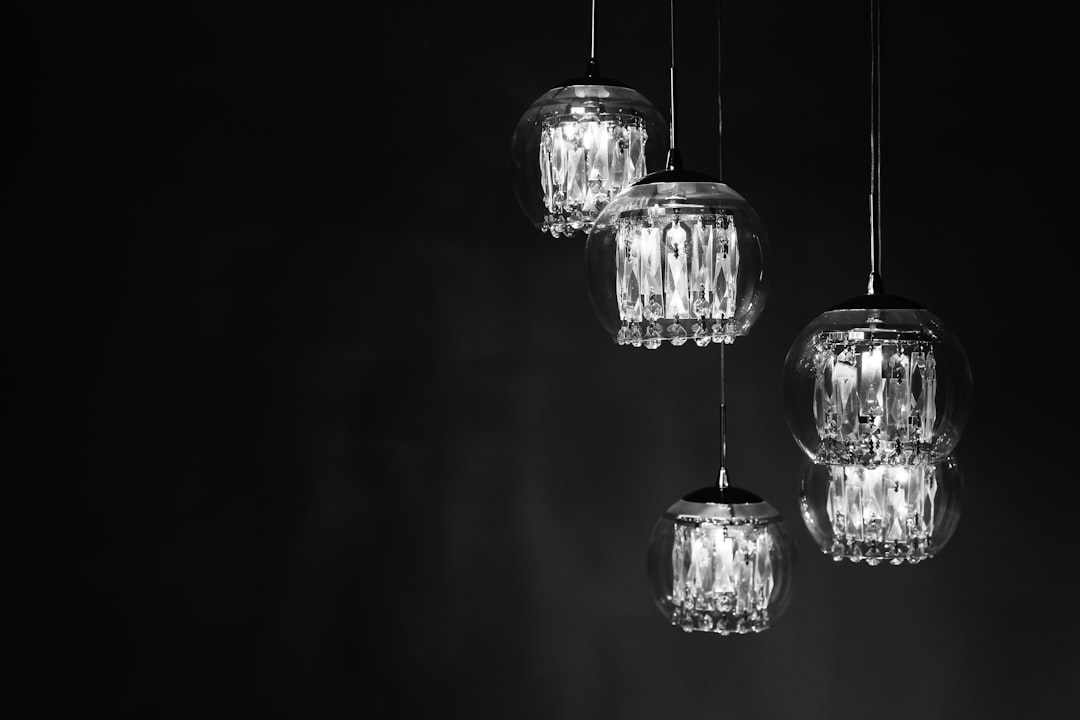
The drum shade chandelier light is a lighting fixture characterized by a cylindrical or drum-shaped shade that encircles its light sources. This design offers a diffused and often downward-focused illumination, distinguishing it from traditional multi-arm chandeliers with exposed bulbs. Its aesthetic bridges classic and contemporary styles, making it a versatile option in interior design.
The modern drum shade chandelier is a product of evolving lighting design, incorporating elements from historical chandelier forms while embracing a more minimalist and functional approach.
Historical Context of Chandeliers
Early chandeliers, dating back to medieval times, were primarily functional, providing broad illumination in large halls. These often featured multiple candles on radial arms. Over centuries, materials and designs became more intricate, culminating in the ornate crystal chandeliers of the Baroque and Rococo periods.
Emergence of the Drum Shade
The drum shade, as a distinct element, gained prominence in the 20th century. Initially, textile shades were used on table and floor lamps to soften direct light and create a more intimate atmosphere. The integration of this shade form with suspended fixtures, particularly multilight chandeliers, represented a shift toward more controlled and decorative light distribution in overhead lighting. This evolution paralleled broader trends in interior design that favored cleaner lines and subtler aesthetics over ostentatious displays.
Design Elements and Variations
The core of a drum shade chandelier is its cylindrical shade. This shade can be fabricated from a variety of materials, influencing light diffusion and outward appearance.
Shade Materials
- Fabric: Common materials include linen, silk, cotton, and synthetic blends. Fabric shades provide a soft, ambient glow and are available in numerous colors and textures to complement diverse interior palettes. The weave density and color of the fabric significantly impact light output; a denser, darker fabric will emit less light and create a more focused downward beam.
- Acrylic/Polycarbonate: These materials offer durability and can be molded into various opacities and finishes, from clear to frosted. Acrylic shades often project a more contemporary aesthetic and are easier to clean than fabric.
- Metal: Perforated or solid metal shades, sometimes with an inner diffuser, can create unique light patterns and a more industrial or modern look. Metal shades typically direct light more acutely downwards or create patterns through perforations.
- Glass: Etched, frosted, or opal glass can be used for the drum shade, offering sophisticated light diffusion and adding a sense of weight and permanence to the fixture.
Frame and Suspension
The internal frame supporting the light sources and the external suspension mechanism are crucial components. Frames are typically constructed from metal (steel, brass, chrome) and can be visible or concealed. Suspension methods range from simple chains to rigid rods, influencing the fixture’s stability and visual integration into a space.
Light Source Configuration
Modern drum shade chandeliers often utilize multiple bulbs, which can be conventional incandescent, fluorescent, or LED. The arrangement of these bulbs within the drum dictates the evenness of light distribution. Some designs employ diffusers below the bulbs to further soften and spread the light output, preventing glare.
Functional Considerations
Beyond aesthetics, the drum shade chandelier offers several functional advantages and considerations for specifiers and users.
Light Distribution and Ambiance
The primary function of the drum shade is to diffuse and direct light. Unlike bare-bulb fixtures, which can produce harsh glare, the shade softens the illumination, creating a more uniform and less intense ambient light.
Upward and Downward Light Components
Many drum shades are open at the top and bottom. This design allows for both upward illumination, which washes the ceiling and expands the perceived height of the room, and downward illumination, providing task lighting for surfaces below. The proportion of upward versus downward light depends on the shade’s design and any integrated diffusers.
Glare Reduction
The enclosed nature of the drum shade significantly reduces direct glare from the light sources. This is particularly beneficial in living areas, dining rooms, and bedrooms where direct eye contact with a bright bulb can be uncomfortable.
Room Integration and Scale
The physical dimensions of a drum shade chandelier are critical for its integration into a space. A fixture that is too large can overwhelm a small room, while one that is too small may appear insignificant.
Sizing Guidelines
General guidelines suggest that the diameter of a chandelier should be approximately one-half to two-thirds the width of the table it hangs over. For general room lighting, summing the room’s length and width in feet often provides a good estimate for the chandelier’s diameter in inches. For example, a 10’x12’ room (22 feet total) might suit a 22-inch diameter fixture. However, these are merely starting points; ceiling height and furniture arrangement also play a significant role.
Ceiling Height Considerations
A low-hanging chandelier in a room with a low ceiling can impede movement and create a cramped feeling. In contrast, a fixture hung too high in a large room may lose its visual impact and fail to adequately illuminate the space. Standard advice is to hang a dining room chandelier approximately 30-36 inches above the tabletop, ensuring it does not obstruct views across the table. In entryways, the bottom of the fixture should be at least 7 feet from the floor.
Aesthetic Applications
The drum shade chandelier’s adaptable design allows it to complement a wide array of interior design styles, from traditional to modern.
Contemporary and Modern Interiors
In contemporary and modern settings, a drum shade chandelier often acts as a central sculptural element. Clean lines, monochromatic shades (white, gray, black), and metallic finishes (polished chrome, brushed nickel) are common. The simplicity of the drum form aligns well with modern aesthetics that prioritize functionality and uncluttered spaces. It can serve as a focal point without being overly ornate, much like a well-chosen piece of abstract art provides structure to a design without dictating its narrative.
Traditional and Transitional Spaces
Though inherently a more modern form, drum shades can be adapted for traditional and transitional interiors. Fabric shades in classic patterns, warmer metals (brass, bronze), and more detailed suspension elements can lend a sense of tradition. In a transitional space, a drum shade chandelier acts as a bridge, merging elements from both classic and contemporary styles, perhaps with a subtle patterned fabric or an antique brass finish. It can soften the rigor of traditional furniture or anchor a more eclectic mix of furnishings.
Eclectic and Global Styles
For eclectic or global-inspired interiors, the drum shade chandelier offers a canvas for unique expression. Textured fabrics, vibrant colors, or shades made from unconventional materials can infuse personality. A drum shade with an ethnic pattern, for instance, can enhance a bohemian aesthetic, while one with a refined linen texture might ground a room filled with varied global artifacts. Here, the chandelier becomes a silent commentator on the room’s journey, reflecting its diverse influences.
Commercial and Hospitality Applications
Beyond residential use, drum shade chandeliers are frequently specified for commercial and hospitality environments. Their ability to provide diffused, comfortable lighting makes them suitable for hotel lobbies, restaurant dining areas, and office reception spaces. In these settings, larger-scale drum shades or multiple fixtures can be used to create a grander statement while maintaining a sophisticated atmosphere. They offer practical illumination while contributing to a brand’s aesthetic.
Installation and Maintenance
Proper installation and routine maintenance are essential for the longevity and safe operation of a drum shade chandelier.
Installation Procedures
Installation typically involves mounting a ceiling canopy, securing the fixture’s weight to a junction box, and connecting electrical wires. Due to the weight and electrical nature of most chandeliers, professional installation by a qualified electrician is often recommended.
Weight and Ceiling Support
Modern drum shade chandeliers can be substantial. It is crucial to ensure that the ceiling junction box and the structural framing above it are capable of supporting the fixture’s weight. Reinforcement may be necessary for heavier models.
Electrical Wiring
Correct electrical connection is paramount. This involves connecting the hot, neutral, and ground wires of the fixture to the corresponding wires in the ceiling. Adherence to local electrical codes is mandatory.
Height Adjustment
Many drum shade chandeliers feature adjustable suspension chains or rods, allowing the installer to set the fixture at the appropriate height for the space. This adjustment is critical for both aesthetic balance and functional light distribution.
Cleaning and Care
Maintenance requirements vary depending on the shade material. Regular cleaning helps preserve the fixture’s appearance and light output.
Fabric Shades
Fabric shades are prone to dust accumulation. Regular dusting with a soft brush or vacuum cleaner attachment is recommended. For stains, spot cleaning with a mild fabric cleaner may be necessary, testing in an inconspicuous area first. Avoid excessive moisture, which can warp or damage the fabric.
Acrylic/Metal Shades
These materials are generally easier to clean. A soft cloth moistened with a mild soap solution is usually sufficient for cleaning acrylic and most metallic finishes. Abrasive cleaners should be avoided as they can scratch or damage the surface.
Bulb Replacement
Regularly inspect and replace bulbs as they burn out. For fixtures with multiple bulbs, it is often advisable to replace all bulbs simultaneously to maintain consistent light color and output, especially with LED bulbs, which have varying color temperatures. When replacing, ensure the new bulbs match the wattage and type specified by the manufacturer to prevent overheating or damage.
Future Trends and Innovations
The design and technology embedded in drum shade chandeliers continue to evolve, reflecting broader trends in lighting and smart home integration.
LED Integration
The rapid advancement of LED technology has significantly impacted chandelier design. LEDs offer energy efficiency, longer lifespans, and compact sizes, allowing for more intricate and slimline fixture designs. Many contemporary drum shade chandeliers now feature integrated LED arrays rather than replaceable bulbs.
Tunable White and RGB Capabilities
Increasingly, integrated LED drum shade chandeliers offer tunable white light (adjusting color temperature from warm to cool) and even full RGB color capabilities. This allows users to customize the ambiance of a room to suit different moods or activities, transitioning from a warm, inviting glow to a bright, cool task light.
Dimmability and Controls
Modern drum shade chandeliers, particularly those with integrated LEDs, are often designed for dimmability. Compatibility with various dimmer types (e.g., phase-cut, 0-10V, DALI) is an important specification. The integration with smart home systems through Wi-Fi or Bluetooth enables advanced control via smartphone apps or voice assistants, allowing users to schedule lighting changes or create custom scenes.
Sustainable Design Practices
Sustainability is becoming a more prominent factor in lighting design. Manufacturers are exploring eco-friendly materials and production processes for drum shade chandeliers.
Recycled and Sustainably Sourced Materials
The use of recycled metals, sustainably forested wood for frames, or textiles made from recycled fibers is gaining traction. The emphasis is on reducing the environmental footprint throughout the product lifecycle.
Energy Efficiency Beyond LEDs
While LEDs are a cornerstone of energy efficiency, sustainable design also considers the overall energy consumption of the fixture’s manufacturing, transportation, and disposal. Designs that facilitate easy disassembly and recycling at the end of the product’s life cycle are also emerging.
Personalization and Customization
The demand for personalized home furnishings extends to lighting. Manufacturers are offering more options for customizing drum shade chandeliers.
Bespoke Options
From custom shade fabrics and colors to specific metal finishes and suspension lengths, bespoke options allow clients to tailor fixtures to their exact design specifications. This ensures that the chandelier is not merely a light source but an integral, harmonized component of the interior.
Modular Designs
Some contemporary designs feature modular components, allowing users to reconfigure the fixture or swap out shades and diffusers to update the look without replacing the entire unit. This flexibility offers both aesthetic adaptability and a degree of future-proofing against changing design preferences.