

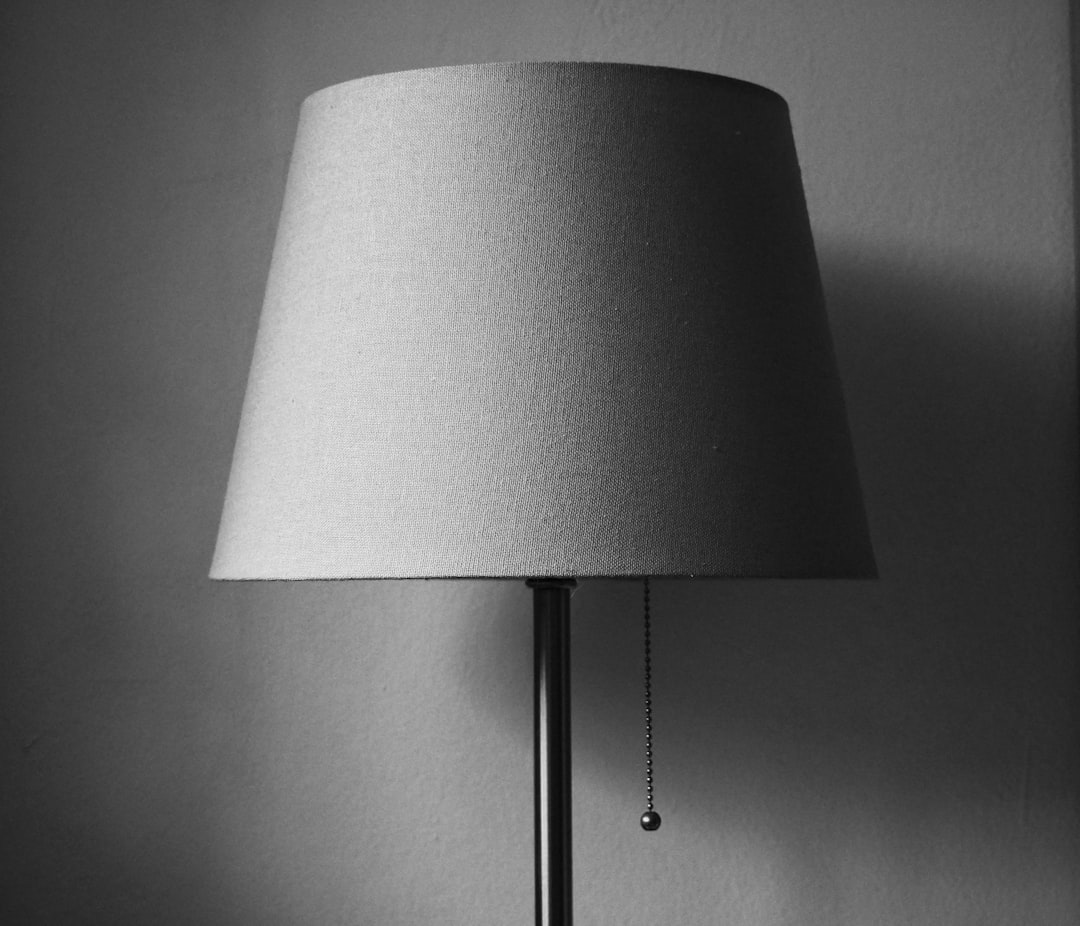
Want to create that perfect spot for getting lost in a book? You know, the one that feels like a warm hug? A flicker-free floor lamp is surprisingly key to making that happen. Forget eye strain and distractions; these lamps are designed to give you smooth, consistent light that feels just right for long reading sessions. Let’s dive into how you can build your own little haven.
Think about the last time your eyes felt tired after reading. Was the light harsh, or did it seem to pulse subtly in the background? That subtle pulsing, or “flicker,” can be incredibly draining. A flicker-free lamp eliminates this issue, providing a steady, unwavering beam of light. This makes a huge difference, especially when you’re deeply engrossed in a story and don’t want anything pulling you out of it.
The Science Behind the Strain
It’s not just in your head. Our eyes are incredibly sensitive to changes in light. Even a flicker too fast for us to consciously perceive can cause our eye muscles to work overtime trying to adjust. This leads to fatigue, headaches, and a generally less enjoyable reading experience. Flicker-free technology, often achieved through advanced LED drivers, ensures the light output is constant, reducing this strain significantly.
Beyond the Bookshelf: Benefits for Everyone
While we’re focusing on reading, the benefits of flicker-free lighting extend much further. For anyone who spends time working at a desk, crafting, or even just relaxing, consistent, high-quality light can improve focus and reduce overall discomfort. It’s about creating an environment that’s good for your eyes and your well-being.
Choosing the Right Flicker-Free Floor Lamp: What to Look For
So, you’re convinced a flicker-free floor lamp is the way to go. Great! Now, how do you pick the one that’s perfect for your space? It’s not just about the “flicker-free” label; there are other practical considerations that will make your reading corner truly shine.
Understanding Flicker-Free Technology
When you’re shopping, you might see terms like “DC-powered LEDs” or “high-frequency drivers.” These are often indicators of flicker-free technology. Essentially, the lamp’s electronics are designed to deliver a steady current to the LEDs, preventing the rapid on-off cycle that causes flicker. Don’t be afraid to ask store staff or check product descriptions for these keywords.
What to Avoid: The Red Flags
Be wary of lamps that simply state “LED” without mentioning flicker-free technology. While many modern LEDs are better than older fluorescents, not all are created equal. If a lamp feels like it’s creating a subtle buzzing or if the light seems to waver when you move your head, it’s likely not ideal for prolonged reading.
Lumens, Kelvin, and CRI: The Technicalities Made Simple
Beyond flicker, the “quality” of the light itself matters.
Lumens: How Bright is it?
Lumens measure the total amount of visible light emitted by a source. For a reading lamp, you want enough brightness to comfortably illuminate your pages without being glaring. Look for lamps in the range of 400-800 lumens. Some lamps offer adjustable brightness, which is a fantastic feature to have.
Kelvin: The Color Temperature
This is measured in Kelvin (K) and refers to the warmth or coolness of the light.
Warm White (2700K-3000K): Cozy and Relaxing
This is your go-to for a cozy, inviting atmosphere. It mimics the warm glow of incandescent bulbs and is perfect for winding down with a book before bed.
Cool White (4000K-5000K): Focused and Alert
This light is more neutral and can be better for tasks requiring more focus, like reading detailed instructions or working on a hobby. However, for a true cozy reading corner, warm white is usually the preferred choice.
Daylight (5000K+): Mimics Natural Light
While good for specific tasks, this can sometimes feel too stark or energizing for a relaxed reading session.
CRI (Color Rendering Index): How True are the Colors?
CRI measures how accurately a light source reveals the true colors of objects. A higher CRI (80 or above) means colors will appear more natural, making the illustrations in your book, or even the cover art, look more vibrant and true to life.
Lamp Design and Adjustability
The physical design of the lamp is just as important as its technical specifications.
Reach and Flexibility: Getting the Light Where You Need It
A good reading lamp needs to be able to position the light precisely where you’re reading. Look for lamps with adjustable arms, flexible goosenecks, or swiveling heads. This allows you to direct the light onto your book without creating glare on the pages or shining directly into your eyes.
Base Stability: No More Accidental Knock-overs
You don’t want a lamp that wobbles or tips easily, especially if you have pets or small children around. A heavy, stable base is crucial for safety and practicality.
Designing Your Cozy Reading Corner: Beyond the Lamp
While the flicker-free floor lamp is the star, the rest of your reading corner plays a vital role in creating that cozy atmosphere. Think of it as a symphony, with the lamp as the lead instrument.
The Throne: Your Comfy Seat
This is non-negotiable. Whether it’s a plush armchair, a deep sofa, or even a well-cushioned window seat, your seating needs to be inviting and supportive.
Armchair Options: Sink-in Comfort
If you have the space, a well-padded armchair is the classic choice. Look for one with good lumbar support if you tend to read for extended periods.
Sofa Seating: Casual and Versatile
A corner of your sofa can also be transformed. Add extra cushions and a throw blanket to make it feel more secluded and inviting.
Window Seats: Natural Light Bonus
If you’re lucky enough to have one, a window seat is a fantastic reading spot, especially during the day. Just be mindful of glare from direct sunlight.
The Supporting Cast: Essential Accessories
These are the little things that elevate your reading experience from functional to truly cozy.
Throws and Cushions: The Hug Factor
Soft, textured throws and a few supportive cushions are essential for creating that “sink-in” feeling. Think chunky knits, faux fur, or soft cotton.
A Side Table: For Your Essentials
You’ll need a place to put your tea, your snacks, your phone, and your current book. A small side table or even a tray that attaches to your armchair is incredibly practical.
A Place for Your Books: Beyond the Pile
While a casual pile of books is charming, having a dedicated spot for them enhances the sense of order and calm.
Bookshelves: For the Dedicated Collector
A small bookshelf nearby keeps your current reads and favorites within easy reach.
Baskets: For the Current Obsession
A stylish basket can hold your current reads, magazines, or even knitting supplies, keeping things tidy.
Ambiance Enhancers: The Subtle Touches
These elements add a layer of sensory comfort.
A Touch of Green: Bringing Nature In
A small potted plant can add a touch of life and color to your corner.
Gentle Scents: Aromatherapy for Relaxation
Consider a subtle diffuser with calming scents like lavender or chamomile. Be mindful not to make the scent overpowering.
Placement Matters: Where to Position Your Reading Nook
The location of your reading corner can significantly impact its coziness and functionality. Think about light, noise, and accessibility.
Near a Window: Natural Light and Views
Reading near a window offers the best of both worlds: natural light during the day and a pleasant view to rest your eyes on.
Avoiding Direct Glare: The Art of Positioning
Position your chair so that the window light illuminates your book from the side or behind, rather than directly in front of you, which can cause glare. Your flicker-free floor lamp becomes essential for evenings or overcast days.
Away from High-Traffic Areas: Your Personal Sanctuary
Ideally, your reading corner should be in a quieter part of your home, away from the hustle and bustle of main living areas.
Creating a Defined Space: Using Furniture and Rugs
Even if you don’t have a dedicated room, you can create a sense of enclosure using furniture placement, a strategically placed rug, or even a room divider.
Proximity to Power Outlets: The Practicality of It All
Don’t forget the practicalities! Ensure there’s an accessible power outlet nearby for your flicker-free floor lamp. This might sound obvious, but it’s easy to overlook in the excitement of designing.
Making it Your Own: Personal Touches and Customization
Your reading corner should be a reflection of you. Don’t be afraid to inject your personality into the space.
Personal Decor: Things That Bring You Joy
Display photos, artwork, or trinkets that hold meaning for you. These personal touches make the space feel truly yours.
Artwork: Inspiring Visuals
A small piece of art that complements your taste can add character.
Personal Mementos: Cherished Memories
A framed photo or a special keepsake can evoke happy memories and add warmth.
Practical Solutions for Small Spaces
Don’t let a lack of space deter you. Smart solutions can make even a small corner feel like a cozy retreat.
Vertical Storage: Maximize Your Space
Use wall-mounted shelves or tall, narrow bookshelves to keep books and accessories organized without taking up floor space.
Multifunctional Furniture: Get More Bang for Your Buck
Consider ottomans with built-in storage or side tables with drawers.
Embracing the Imperfect: The Charm of Lived-In Spaces
A truly cozy space doesn’t need to be perfectly curated. Embrace the charm of books stacked a little haphazardly, a worn patch on your favorite armchair, or a blanket draped just so. It’s about comfort and relaxation, not perfection.
By incorporating a flicker-free floor lamp and thoughtfully considering the other elements, you can transform any corner of your home into a welcoming sanctuary for book lovers. Happy reading!